
If you’re replacing old storage heaters or moving away from gas, electric radiators are one of the simplest upgrades you can make. There’s no boiler, no pipework and no flue. But they’re not all built the same, and the cheapest one on the shelf is rarely the one that costs least to live with.
The best, most energy efficient electric radiators for most UK homes hold heat well, respond to an accurate thermostat and let you control each room separately. Below, we explain what that means in practice, how the main types compare, and what to check before you buy.
What makes an electric radiator energy efficient?
Every direct electric radiator turns the electricity it uses into heat. On that measure, they’re all “100% efficient”, so that label tells you very little on its own.
What separates energy efficient electric radiators from the rest is how well they use that heat. In practice, that comes down to four things:
- How long the radiator holds heat. A dense core, such as chamotte clay or ceramic, keeps giving out warmth after the element switches off, so the radiator draws power less often.
- How accurate the thermostat is. If it overshoots the temperature you set, you pay for heat you didn’t ask for.
- Whether you can heat rooms separately. Being able to keep the spare room cool while the living room is warm makes a real difference to your bill.
- Whether it’s the right size for the room. Too small and it runs flat out. Too big and you’ve paid for capacity you don’t need.
Types of electric radiator compared
| Type | How it heats | Good for | Things to consider |
|---|---|---|---|
| Clay or ceramic core | Heats a dense core that stores and releases heat steadily, giving a mix of radiant and convected warmth | Main living spaces and whole-home systems | Takes a little longer to warm up from cold, and costs more to buy |
| Oil-filled | Heats oil sealed inside the radiator, which holds warmth for a while | Rooms that need steady background heat | Heavier, and slower to respond than some designs |
| Panel or convector | Heats the air directly and moves it around the room | Occasional use or small rooms | Warms up quickly but cools down quickly too, so it can run more often |
| Infrared panel | Warms people and surfaces directly rather than the air | Targeted heat in specific spots | Placement matters, and they’re less suited to heating a whole home |
What to look for when choosing an electric radiator
- A heat-retaining core, if the radiator will be your main heat source in that room
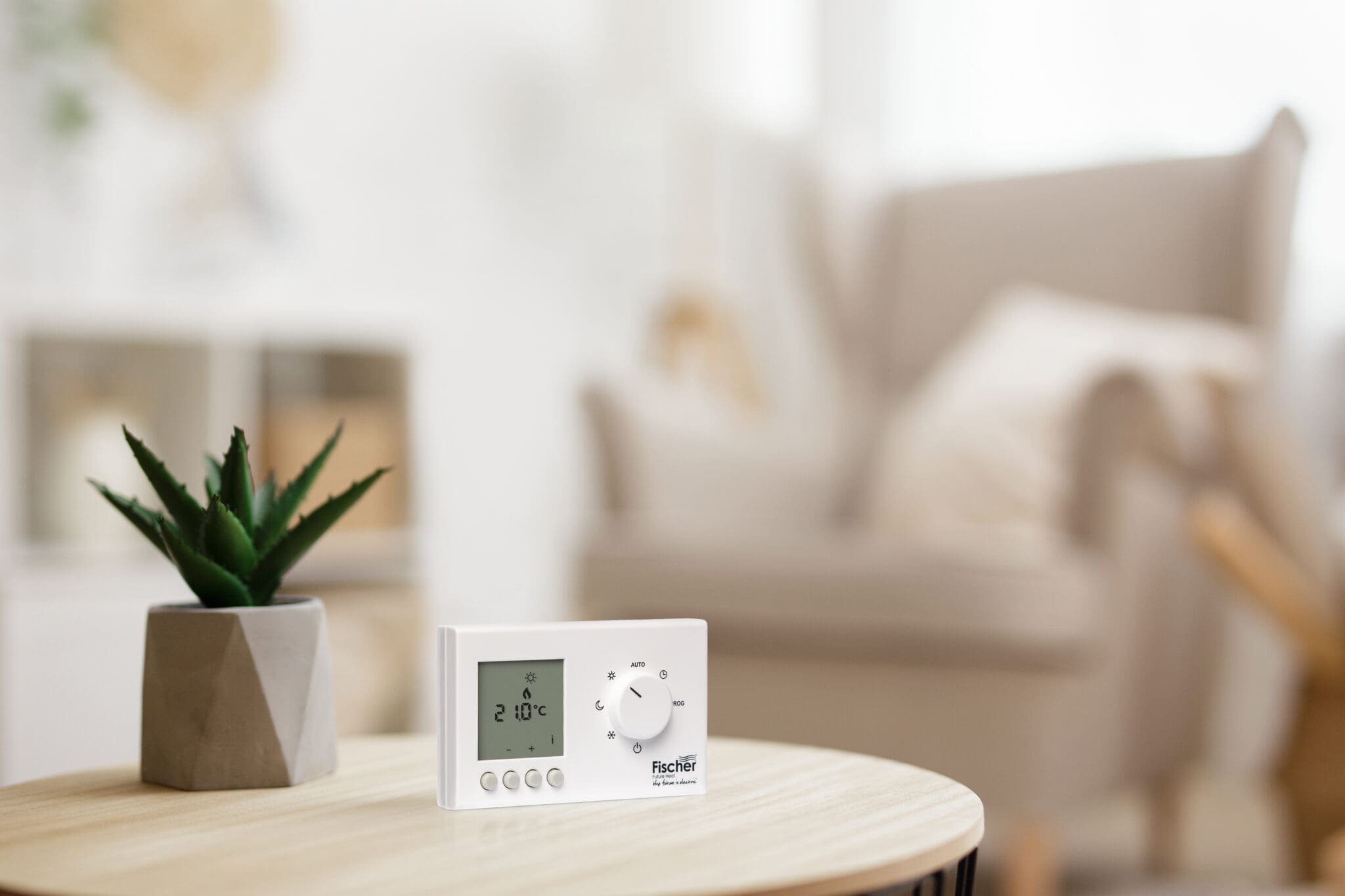
- A digital thermostat that measures the room temperature, not just the temperature next to the radiator
- Programming that fits your routine, ideally in short time blocks rather than a simple on/off timer
- Open window detection, so the radiator switches off rather than heating the street
- Independent test results rather than just the manufacturer’s own claims
- A long warranty, and clear terms about what it covers
Do energy efficient electric radiators cost less to run?
They can, but not because of the radiator alone. Running costs depend on your tariff, how well your home is insulated, room sizes, how many hours the heating is on and the temperatures you set.
A quick way to estimate it: multiply the radiator’s power in kW by the hours it actually draws power, then by your unit rate. A radiator that holds heat and is controlled well draws power for fewer hours, which is where the savings come from.
Electric radiators or storage heaters?
It depends on your routine. Electric radiators give heat on demand, room by room, which suits homes where people come and go at different times. Modern high heat retention storage heaters suit homes on an off-peak tariff where someone is in during the day.
Plenty of homes use both. If you’re unsure, see our guide to high heat retention storage heaters.
How Fischer electric radiators compare
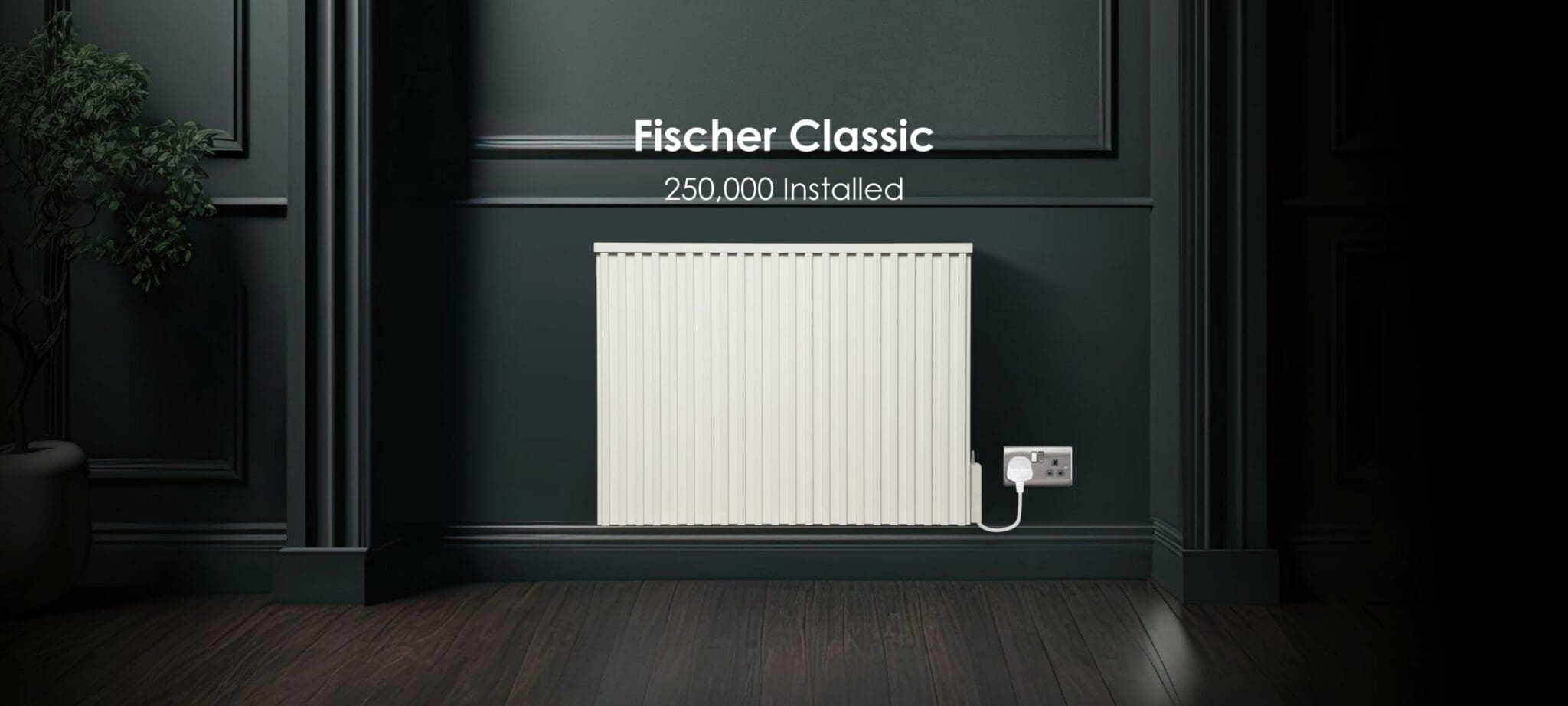
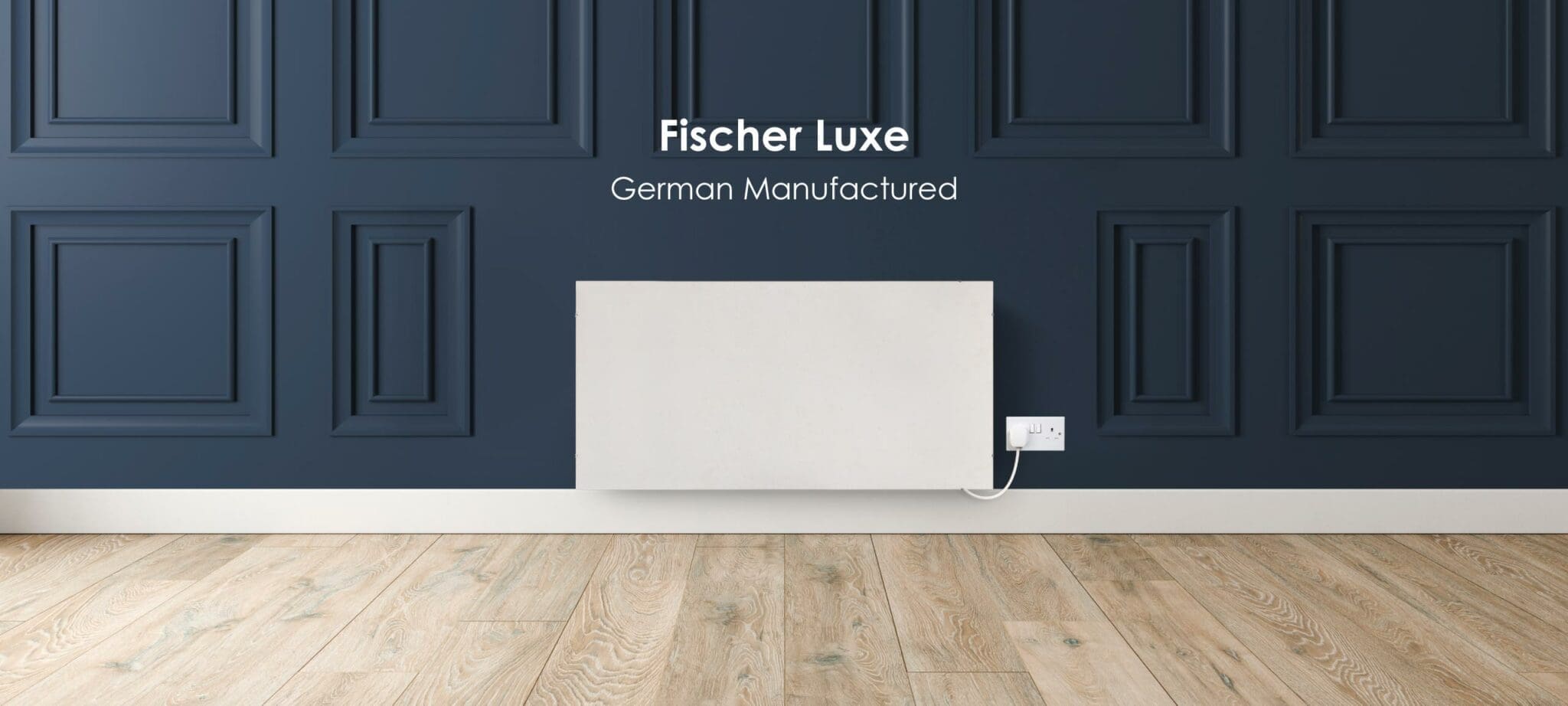
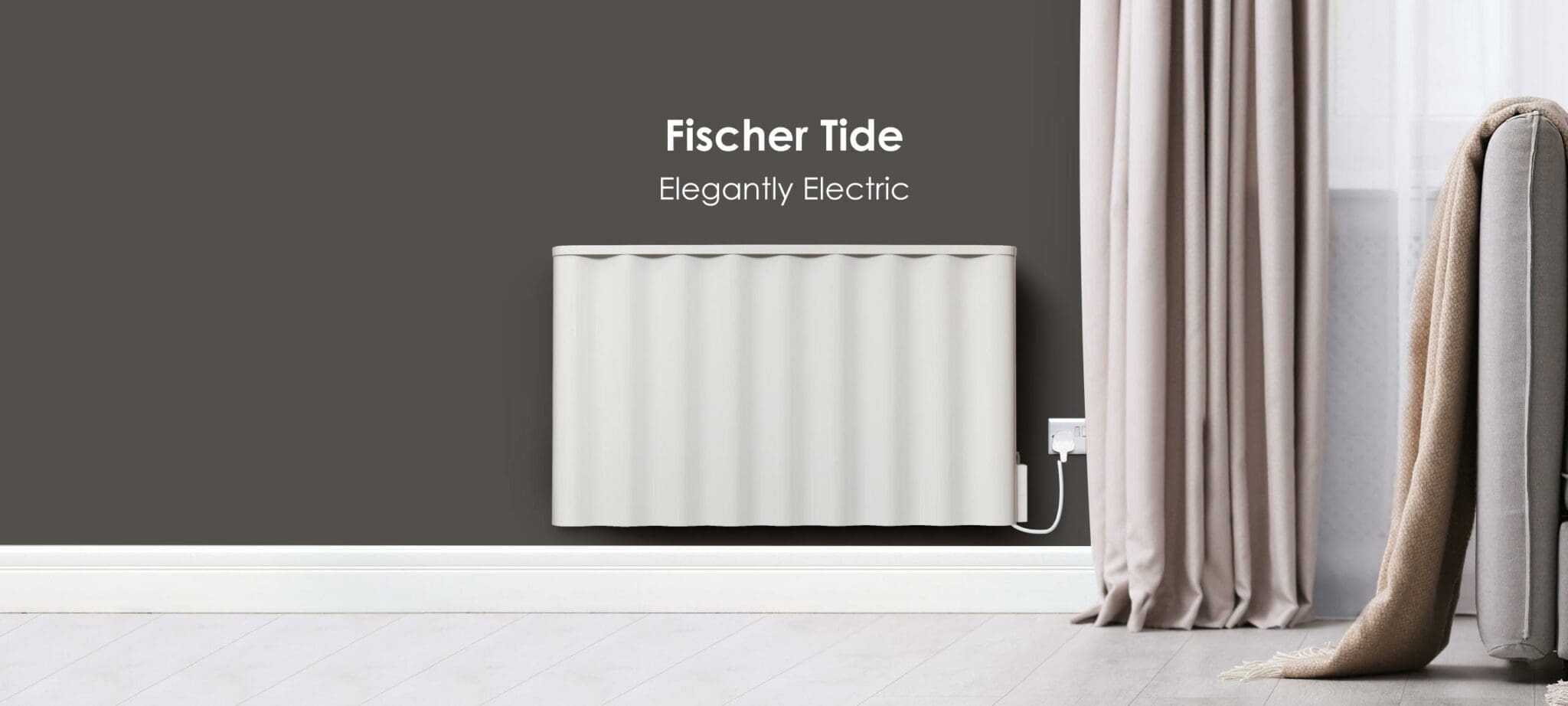
Fischer radiators are made in Germany and built around a 40mm HeatCore made from chamotte clay. The core is designed to hold heat and keep releasing it steadily, so each room stays at a more even temperature.
Every radiator comes with Fischer’s wireless thermostat. It measures the temperature in the room and lets you set a schedule in 30-minute blocks, room by room.
Our radiators have been tested by five independent bodies, including BSRIA, BRE and the Energy Saving Trust. They come with a 10-year manufacturer’s warranty (2 years on electronic components) and the Fischer Warm Home Guarantee: if a radiator doesn’t heat its room to 21°C, we’ll repair or replace it free of charge.
You can see the full range on our electric radiators page and read the results on our test reports page.
Getting the size right
Most problems with electric heating come down to radiators that are the wrong size for the room. Room size, ceiling height, windows, external walls and insulation all change how much heat a room needs.
That’s why we start with a free home heating survey. One of our advisers looks at each room and works out what it needs before recommending anything.
Electric radiator FAQs
What are the most energy efficient electric radiators?
Radiators with a heat-retaining core, an accurate room thermostat and room-by-room programming tend to use energy most efficiently. They hold warmth after switching off and only heat the rooms you’re using.
Are clay core radiators worth it?
For rooms you heat every day, they usually are. The clay core holds heat and releases it gradually, which gives steadier warmth than a panel heater. They cost more upfront, so they make most sense as a main heat source rather than for occasional use.
Can electric radiators heat a whole house?
Yes, as long as each radiator is sized to the room and the system is planned around your home’s heat loss. A survey is the best way to work that out.
Are electric radiators better than storage heaters?
Neither is better for every home. Electric radiators suit changing routines and room-by-room control. High heat retention storage heaters suit homes on an off-peak tariff with predictable heating needs.

Want to know what would work in your home? Book a free home heating survey or request a free catalogue.