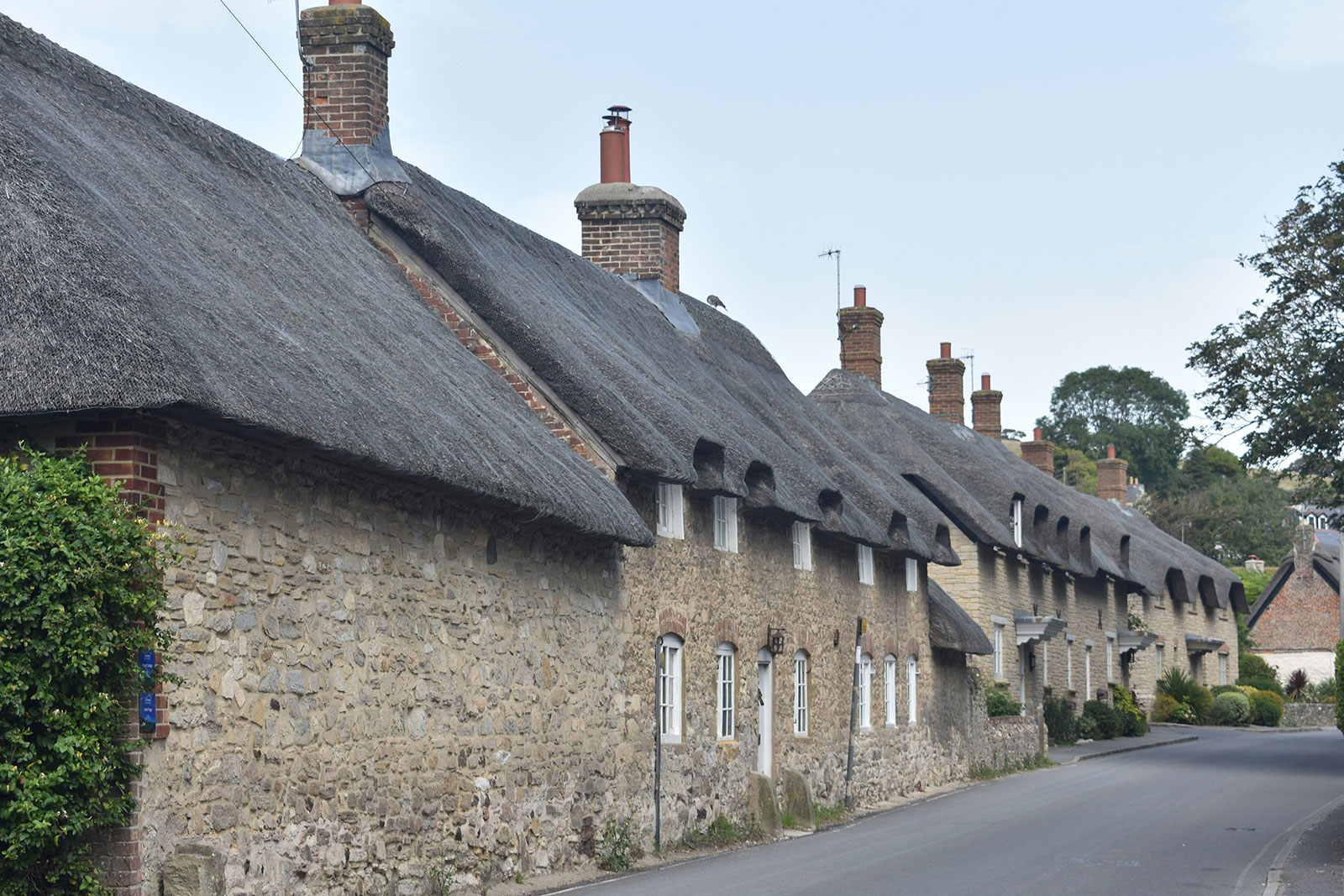
Understanding whether radiant vs convection heating is best can help you work out which method of heating is better suited to your home, particularly if you live in an older property.
You’ll know first-hand how frustrating it can be when the heating is on, but certain rooms still feel cold. Perhaps the living room warms up nicely, but the bedroom always feels chilly, or condensation starts appearing on windows and external walls as winter arrives.
If you’ve set your winter heating schedule but are dealing with cold rooms, draughts or damp, it’s natural to think your heating setup isn’t powerful enough. But the problem could be how heat moves around the room, how quickly your home loses warmth or how cold the surrounding surfaces become.
What is radiant heating?
Radiant heating transfers warmth directly to people, objects and surfaces, rather than relying entirely on heating the surrounding air. Think about standing in sunlight on a cold day. Even when the air feels chilly, you can still feel the sun’s warmth on your skin.
Radiant heating works similarly, transferring heat to people and surrounding surfaces such as walls, floors and furniture. This can make a difference in older homes, where cold external walls or floors can leave a room feeling uncomfortable even when the heating is set at a reasonable temperature.
Radiant heating, however, doesn’t completely prevent heat loss. If your home is poorly insulated, warmth will still escape and need replacing with a more effective source.
What is convection heating?
Convection heating warms the air, which then circulates around the room.
As air heats up, it rises, allowing cooler air to move towards the heater and warm up as part of the cycle.
Convection is an effective way of increasing the air temperature, but in older homes with draughty windows, high ceilings or poorly insulated walls, you might notice cold spots in the room. For example, the air near the ceiling may feel warmer while your feet are cold, or the room might reach 20°C but still feel chilly beside an external wall.
Radiant vs convection heating: what’s the difference?
Both radiant and convection heating methods can heat a home effectively, but each distributes warmth differently. We’ve summarised how this works below.
| Feature | Radiant heating | Convection heating |
|---|---|---|
| How it works | Warms people and surfaces directly | Warms and circulates air |
| How it feels | More direct warmth | Warmth through the surrounding air |
| Cold surfaces | Can help improve comfort and temperatures near cold surfaces | Primarily raises air temperature |
| Best suited to | Rooms where cold surfaces are affecting comfort | General room heating |
| Considerations | Heater placement and heat loss risk | Draughts and air circulation if the room isn’t insulated well |
Most modern electric radiators use a combination of radiant and convective heating rather than relying entirely on one method.
Why are older homes harder to heat?
Older homes can be harder to heat as they haven’t been updated with modern insulation. Solid, cold external walls and draughty single-glazed windows can cause old properties to lose heat quickly.
Problems like gaps in the building fabric also allow cold air to enter and warm air to escape. And while period features like high ceilings look stunning, they can create space for warm air to rise, meaning the lower part of a room feels cooler.
In older homes updated with an extension, likely built using different standards of insulation to the original structure, this can create a difference in comfort when household members move between new and modernised spaces. Original parts of the house may feel chilly even when the air is warm, which is why a more powerful radiator isn’t always the best solution for an older home. That’s because when heat is escaping quickly in your home, the heating system has to work continually to replace it.
As a result, your energy bills go up but your household comfort levels can remain…uncomfortable. That’s why it’s best to understand how heat loss affects your home before making any significant upgrades.
Which type of heating is better for older homes?
There’s no single best option for every older property, as choosing a heating solution should factor how your home retains heat, or how easily it loses it.
In terms of heating methods, radiant heating can help improve comfort in rooms with cold surfaces, while convection heating effectively warms the surrounding air. But the best choice of heating for older homes depends on insulation, room size, layout and how the space is used.
If you’re considering upgrading, modern electric radiators for older homes like Fischer’s, combine radiant and convection heating. Built with a 40mm chamotte clay HeatCore, they’re designed to absorb, retain and release heat into the room. Specially designed fluting increases the radiator’s surface area by around three times to help spread radiant heat, while convection chambers circulate warm air for a more even temperature from floor to ceiling.
However, no radiator or heating system can make up for poor insulation, and running costs will always depend on your property’s insulation, heat loss, energy tariff and how you use your heating.
Can heating help with damp and condensation?
Having the heating on can help reduce condensation by keeping surfaces warm, but it won’t fix the underlying causes of damp. So when you’re looking for the best heating for a damp house, think about warmth and ventilation together.
Condensation forms when moisture in the air meets a cold surface. That’s why you might notice water collecting on windows or mould appearing on cold external walls. Keeping rooms adequately heated can help reduce this risk, but ventilation and moisture control are just as important.
If you find damp keeps returning, try to find the cause that’s adding moisture back into the room. If your property has a leaky pipe, damaged guttering or if water is getting in via the external walls, damp or condensation issues won’t be resolved by installing a new radiator.
Why does room-by-room heating control matter?
Room-by-room heating controls matter for every home, as this technology allows you to adjust temperatures and customise your heating schedule independently for every space.
Heating only the rooms you’re using can help you manage your energy use more effectively than one thermostat controlling the whole property, although running costs will still depend on your insulation, tariff and heating habits. Since older homes can struggle to heat spaces evenly, with a single temperature set, it can be difficult (let alone expensive to heat your home) to keep two rooms comfortable without overheating the other.
For example, a sunny south-facing living room might retain warmth well, while a north-facing bedroom with two external walls cools down quickly. With room-by-room controls, you could time your heating to heat the living room in the evening and then the bedrooms based on when they’re occupied.
Quick checklist: choosing heating for an older or damp-prone home
- Which rooms feel coldest?
- Are there draughts around windows or doors?
- Are walls or windows showing condensation?
- Is each room used daily or only occasionally?
- Can each room be controlled separately?
- Is damp caused by condensation, leaks or structural issues?
When should you review your heating system?
If certain rooms always feel cold, your heating is difficult to manage or some spaces overheat while others stay chilly, it may be worth reviewing your existing setup. However, before replacing anything, consider whether draughts, poor insulation or damp are adding to your heating problems.
For homeowners looking for a modern heating alternative, Fischer’s electric heating solutions provide a range of energy-efficient ways to make your home more comfortable without requiring traditional wet central heating pipework. Installation can typically be completed in just one day, depending on the size of the property and installation requirements. Find out more about upgrading your heating in just one day.
Find the right heating solution for your older property
How warmth is distributed, how well your property retains it and how much control you have over individual rooms is the ticket to sufficiently heating an older home comfortably.
If you’re considering upgrading your period property’s heating system, book a free home heating survey and our team of experts will assess your property’s heating requirements.
You can also request a free catalogue to learn more about Fischer’s range of electric heating solutions.
Radiant vs convection heating FAQs
Is radiant or convection heating better?
Neither radiant nor convection heating is by default better. Radiant heat warms people and surfaces directly, while convection warms the surrounding air. Many modern radiators designed like Fischer Future Heat’s are built using technology to combine both heating methods.
Does putting the heating on reduce damp or mould?
Putting the heating on can help reduce condensation that causes mould by keeping walls and other surfaces warmer, making it less likely that moisture in the air will collect on them. However, heating alone won’t prevent damp or mould. Good ventilation and moisture control are equally important, while underlying problems such as leaking pipes, damaged guttering or water entering through external walls need to be addressed.
What is the best heating for cold rooms?
The best solution depends on heat loss, insulation, room size and heating controls. Improving draught-proofing or insulation may be just as important as upgrading the radiator.