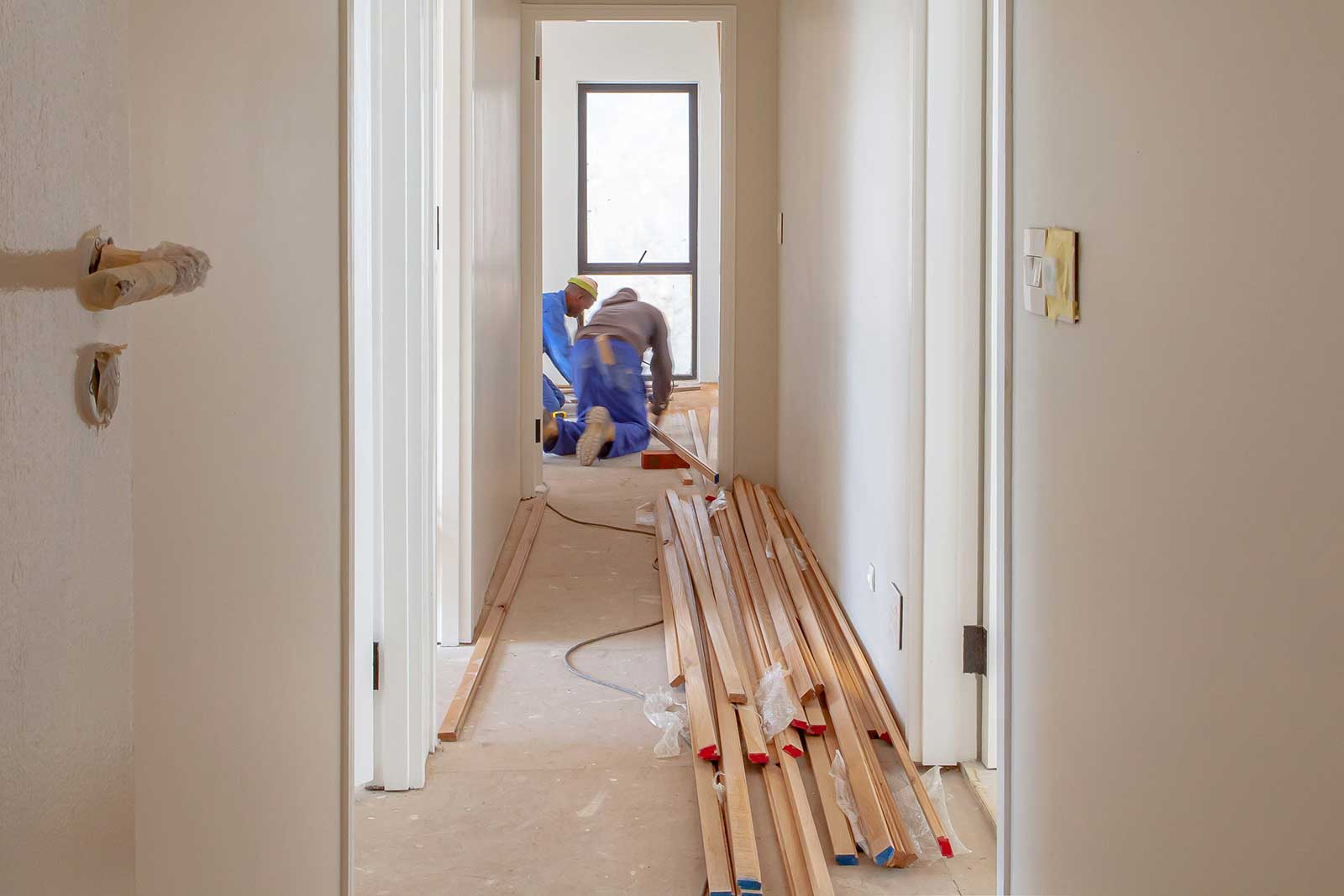
If you know your old heating system is on its last legs, but you keep putting off the upgrade. Ask yourself, why? Is it because renovating your home can mean turning your peaceful family home into a dusty building site? In fact, it’s one of the biggest causes that keeps Brits up late at night, filled with anxiety around their functioning home being impacted during a revamp.
For many UK households, the thought of changing their heating system alone is enough to delay making home improvements. It’s easy to imagine tradesmen walking through the hallway in dirty boots, carpets being pulled up, floorboards lifted, and enduring days (erm, and sometimes weeks) without reliable heating or hot water. For busy families, that level of disruption simply isn’t practical.
Luckily enough for modern homes, in 2026 upgrading your heating system no longer means having to live in chaos. Modern electric heating solutions are reducing the UKs anxiety around investing in home improvements. Instead of putting up with invasive pipework and prolonged installations, homeowners can now access cleaner, faster heating installations which minimise disruption.
To help reduce the fear around upgrading your heating system, we’ll debunk some of the most common concerns about heating upgrades, clearing up the mess you can only imagine having to deal with — and how to avoid it altogether.
Do floorboards need to be lifted to install a heat pump?
This is one of the most common (and important) questions homeowners ask when they’re considering a heating upgrade. And the honest answer is (in many cases): yes, floorboards need to come up to install a heat pump.
With fantastic grants like the Boiler Upgrade Scheme contributing £7,500 towards air source heat pumps, they’re naturally promoted as an attractive eco-friendly heating upgrade. Connecting to existing gas boilers, a hybrid heating system can generate 350% more heating power — it’s no wonder heat pumps have their appeal, and rightly so.
Heat pumps can work brilliantly for spacious, new-build homes and modern properties designed specifically to adapt to low-temperature heating systems. However, retrofitting heat pumps into older properties, like Victorian homes, 1930s semis, or even post-war builds can be far more complex and as a result, cause greater disruption during home renovations.
Here’s some of the reasons why installing heat pumps can be more disruptive, though beneficial for generating green energy in the long run.
- Larger radiators are required: Heat pumps operate at lower flow temperatures than traditional gas boilers. To compensate, wet radiators need to be significantly larger to produce comfortable warmth around the home.
- The pipework needs changing: Many older homes use micro-bore piping, which isn’t suitable for heat pump systems as it can cause the pressure to drop. If you’re having a heat pump installed, this often means the existing pipes need replacing with wider alternatives.
- Access is required under the floor: Therefore, to install new pipework, engineers typically need to:
- Lift carpets (yes, even if they’ve been freshly laid)
- Remove floorboards
- Access subfloors throughout the property
With this level of installation required, homes can face around 3-5 days of disruption. This typically involves having multiple tradespeople in and out of your home, a temporary loss of heating and sometimes hot water.
With dust, noise, and unavoidable mess, often it means the best time to install a heat pump is during the summer.
Heat pumps are certainly a valuable long-term solution in the right setting. Therefore it’s important to weigh the practical implications of retrofitting the upgrade based on how busy your household can be.
Avoiding the “spaghetti of pipes”
Separate to the physical disruption of upgrading your heating system, homeowners often have aesthetic concerns, typically around the pipework. However, the “spaghetti of pipes” is something rarely considered until it’s too late.
Traditional central heating retrofits, particularly in older homes, can result in a network of exposed pipes running along skirting boards, around the fireplace, across walls, or even through noticeable boxing. For homeowners who take pride in their interiors, this is quite a compromise. Common aesthetic issues include:
- Visible pipes breaking up clean wall lines
- Boxing-in that reduces useable space and constraints how furniture fits
- Inconsistent radiator placement due to pipe constraints
- Clashing with period features or modern décor
This “spaghetti of pipes” effect is particularly frustrating in period properties where homeowners want to protect the look and feel of the gorgeous original features. Open-plan living spaces become compromised where additional pipework is required to heat larger spaces, and recently renovated homes can simply do without further disruption.
Don’t fret, there is an easy to install, smart heating alternative
For homes looking for a smart way to upgrade their heating system with minimum hassle, modern electric heating systems eliminate this problem entirely.
With no need for wet pipework, electric heaters offer:
- Minimal visual disruption
- Flexible placement in any room
- A streamlined, contemporary finish
Instead of designing your room around your heating system, electric heating systems adapt to your space and give you greater control over your energy bills.
The Fischer HeatCore electric heating solution
If the idea of lifting floors, rerouting pipes and managing days of disruption doesn’t appeal, there is another way.
Fischer’s 40mm HeatCore electric radiators are designed specifically for homeowners who want a fast, clean and efficient upgrade without turning their home upside down. Hello one-day, zero-disruption installation!
With no pipes involved, it means no mess and way less fuss. Because the system is 100% electric, installation avoids the typical complications of traditional heating upgrades which can involve:
- Gas pipe extensions
- Lifting floorboards
- Draining or refilling water systems
- Invasive structural work
- Several days installation
Fischer’s team of expertly trained engineers can typically install a full system in a single day, depending on the size of your property.
What does a one-day electric heating installation involve?
To give you peace of mind upgrading your heating system, here’s what a typical day installing an electric system looks like in practice:
- Electric radiators are mounted neatly to your walls
- Wiring is completed cleanly and discreetly
- Smart controls like wireless room thermostats are configured to provide room-by-room heating
- The workspace is cleaned before engineers leave
That means by dinner time (or tea time, depending on what you call it), your home is warm, tidy and fully functional! No need for gaps in providing your household with warmth or hot water.
Why a low-disruption electric heating upgrade makes sense in 2026
With energy prices continuing to fluctuate, the reality of how efficiently your home generates and retains heat matters more than ever.
As older heating systems can waste energy once they deteriorate and become inefficient, your home can struggle to stay warm consistently. This can cause your heating system to run for longer, trying to heat rooms up as it struggles to maintain a consistent temperature.
Even if the cost of heating drops, creating a cycle of higher energy usage means your energy bills can be affected. However, the beauty of a minimal fuss electric heating system mitigates these issues, providing efficient heating, with smart technology giving you greater control over when and where you heat your home, reducing unnecessary energy consumption long-term.
Heating Upgrade FAQ: Installation, Mess, and Pipework
Can you install a new heating system in one day?
Yes. Unlike heat pump retrofits which typically take 3 to 5 days, Fischer’s team of expertly trained engineers can usually install a full electric heating system in a single day. This provides a fast, clean, and efficient upgrade without turning your home into a building site.
Do floorboards need to be lifted to install a heat pump?
In many cases, yes. To accommodate the wider 15mm pipework required for heat pumps (such as replacing old microbore pipes), engineers often need to lift carpets and remove floorboards. However, Fischer’s electric heating solutions avoid this invasive structural work entirely.
Does electric heating require new pipework?
No. Because the system is 100% electric, it eliminates the need for wet pipework, gas pipe extensions, or draining water systems. This avoids the “spaghetti of pipes” and allows for flexible placement in any room without aesthetic compromise.
Is a heat pump more disruptive to install than electric heating?
While beneficial for green energy, retrofitting a heat pump can cause significant disruption, typically taking up to 5 days for larger radiator installations and pipework changes. A Fischer electric upgrade is a low-disruption alternative, usually completed in just one day with no mess.
Book a free, zero-disruption heating survey
It’s clear that upgrading your heating in 2026 no longer means putting up with weeks of household disruption, ripped-up floors, or a home full of tradespeople. With the right heating system, you can transform how well you heat your home, its efficiency and level of comfort in as little as one day.
If you’re ready to explore a cleaner energy alternative, our team is here to provide expert advice tailored to upgrading your home. Request a free catalogue to understand your installation options and learn how simple your electric home upgrade could be.