Over the past few years, UK households have been impacted by increases in energy costs — even when prices ease temporarily, they rarely stay settled for a long period. The latest gas price increase in the UK is another reminder of how exposed household heating costs remain to global markets.
While electricity costs are expected to stabilise and potentially fall in 2026, gas remains far more exposed to global pressures.
To help you understand why gas prices keep changing, in this article we break this down, explaining the impact and what this means when it comes to the cost of heating our homes efficiently long term.
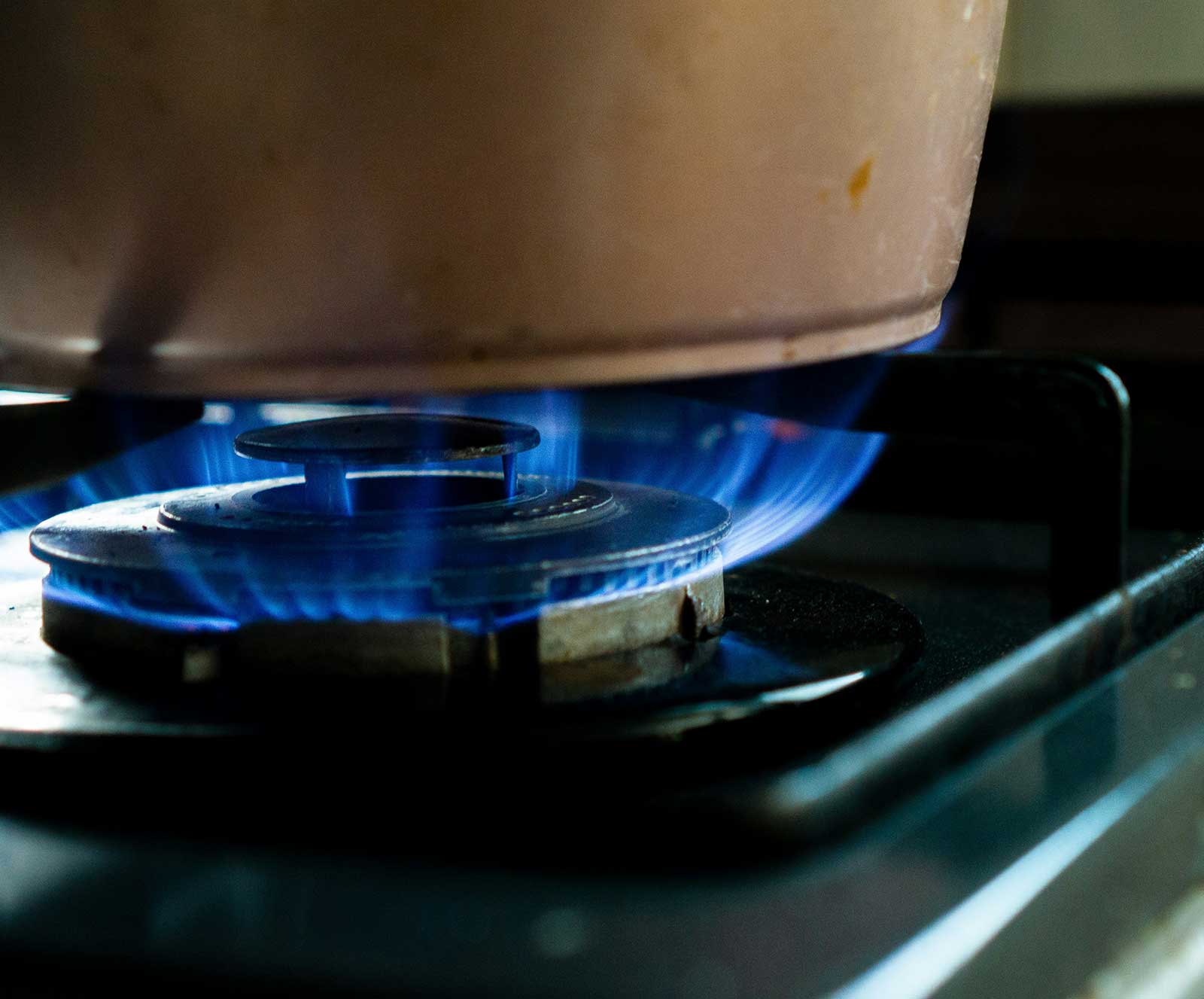
What’s Driving the Latest Gas Price Increase in the UK?
Gas prices don’t just rise because of UK policy changes or supplier decisions. They are heavily influenced by international markets. Unlike electricity, which is increasingly being generated domestically through renewables, gas is traded globally. That means UK prices are affected by:
- Global supply and demand shifts
- Geopolitical tensions
- International conflicts
- Extreme weather events
- Liquefied natural gas (LNG) competition (securing gas supply amongst increasing demand)
- Storage capacity levels across Europe
When gas supply becomes more limited in the global market, prices can rise rapidly. Even if the UK isn’t directly involved in an event, the wholesale cost of gas can rise because we operate within an interconnected international energy system. The UK experienced this in January 2026, with wholesale gas prices rising by more than 40% and as a result, it impacted the energy price cap by 0.2%, pushing up the cost of fixed deals.
With all of these variables, it’s why gas prices often behave unpredictably and why short-term stability doesn’t guarantee certainty around heating our homes cost-effectively long-term.
Gas vs Electricity Price: Why Do They Fluctuate Differently?
Many homeowners assume gas and electricity prices rise and fall together. But in reality, they operate under different pressures.
One of the core reasons outlined above is that gas is globally traded. Wholesale gas prices are influenced by international demand, meaning UK households are indirectly exposed to events happening thousands of miles away.
In comparison, electricity is increasingly domestic. The UK generates electricity now using a mix of sources including:
- Wind power
- Solar energy
- Nuclear
- Domestic generation, like air source heat pumps and solar panels
As renewable energy generation expands across the country, the UK can produce its own electricity and become less dependent on imported fossil fuels to generate it. Whereas with gas, our reliance is directly tied to global fossil fuel markets.
How Volatility in Global Gas Prices Filters Down into Household Bills
When wholesale gas prices rise, the effect isn’t always immediate, but eventually it filters down to impact UK homes. Here’s where the impact starts and filters down:
- Global wholesale prices increase
- UK suppliers pay more to secure their gas supplies
- Energy price caps or tariff adjustments reflect these costs
- Household heating bills rise as a result
So even if energy price caps are put in place to temporarily limit increases, underlying wholesale volatility remains. That’s why price caps are reviewed and updated every three months, allowing suppliers to pass on falling or rising costs more quickly. This explains why, in recent years, we’ve seen a pattern of sharp price spikes, short-term price corrections and renewed upward pressure to reduce the impact of energy costs to households.
The rise in gas prices in the UK over recent years has shown how quickly costs can spike when wholesale markets tighten. Short-term drops in prices only reflect temporary market corrections rather than structural change to reduce the cost of energy long-term. And because around 80% of UK homes still rely on gas central heating, most households continue to be at risk of market volatility. This is why, if your current heating system isn’t running efficiently, your home becomes more at risk to the increasing price of gas.
Why short-term price drops don’t remove long-term risk
Since the UK imports a significant portion of its gas, it means we can’t fully control those external factors. For these reasons, it’s why energy experts increasingly talk about energy resilience rather than just managing the price.
A heating system that depends entirely on gas will always be at risk to global fossil fuel markets, which is what’s shaping UK households’ thinking to reconsider how they will power their homes more efficiently long-term.
What does this mean for UK households rethinking their heating costs?
While rising gas prices don’t mean every homeowner should rush into replacing their existing heating system right now, it does raise the question – how much control do you want over your heating costs?
There are many ways to make your home more energy efficient and less reliant on gas. To make the switch, here’s some alternatives you may consider:
- Adding smart heating controls
- Exploring electric hybrid heating systems
- Transitioning gradually to a fully-electric powered heating set up
- While not forgetting to ensure your home is well insulated
The bigger picture of heating your home more efficiently
The impact of rising gas prices reflects a broader change that UK households are facing when thinking about their energy costs. Reactive cost cutting and improving your home’s insulation helps short-term, but the underlying issue of gas prices will remain until homes reduce their dependence on fossil fuels long-term.
If you’re considering future-proofing your home to better manage your home’s energy efficiency, check out what an electric home set up could provide for your household. Request a brochure today to learn more about adapting your home for a hybrid heating set up and more – the friendly team at Fischer are more than happy to help.