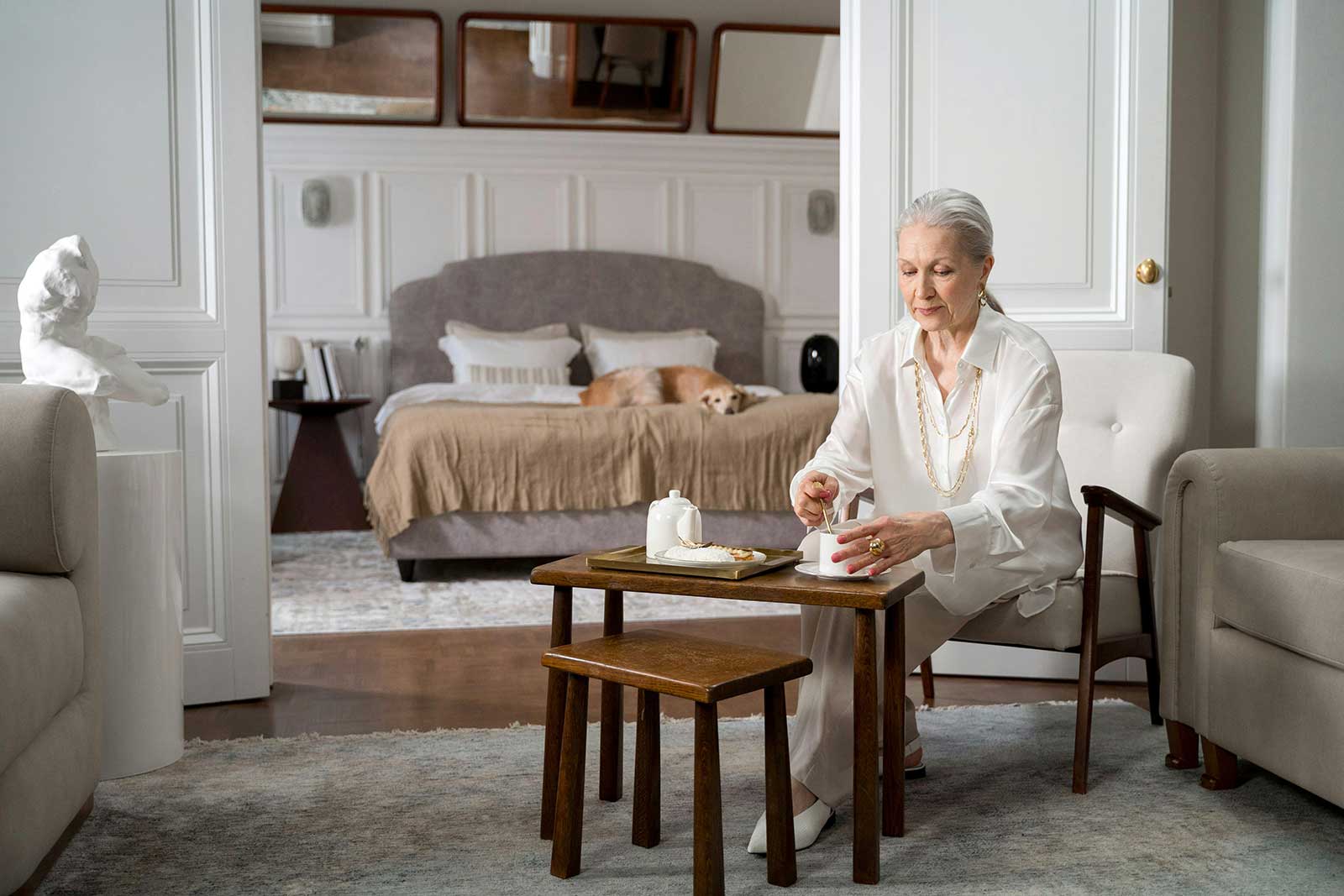
When low temperatures hit, many people across the UK are hesitating to turn their heating on, worried about what it might cost them later. Organisations like Age UK and Citizens Advice are reporting rising levels of “energy anxiety” amongst over half of UK pensioners and households on fixed incomes.
While the April 2026 energy price cap has stabilised at 24.67p/kWh, ongoing headlines warning of a potential spike in July is making that relief feel temporary. For many households, the growing uncertainty is becoming too much to manage, on top of the price fluctuations.
With volatile energy markets being the only element that’s consistent in heating your home, until geopolitical tensions and supply chain issues resolve, it’s becoming tricky for heating bills to feel predictable.
However, reassuringly, there are other ways to think about heating your home which can alleviate energy anxiety and give you more control over what you spend, day by day, room by room.
Will energy prices go up in 2026? Why bills still feel unpredictable
Wholesale energy prices are expected to rise again by July, driven by ongoing global instability and fluctuating gas supply. It’s only natural this stop-start cost pattern is why so many households are feeling uneasy. Prices may dip temporarily, but they can just as quickly climb again.
But the deeper, underlying issue in energy costs also lies in how most homes are heated. If your home’s sole energy source relies on getting gas from the grid, for example, you’re tied into global price swings every time you turn your heating on.
Often, traditional gas heating systems are set up like so:
- One thermostat controls the entire house
- The boiler heats water and pushes it through every radiator
- Energy is used whether rooms need heating or not
If your heating system is fitted with a single thermostat controlling the entire house, it will heat multiple rooms at once whether you’re using them or not. With energy costs at an all time high, this set up means your usage is dictated not just by your habits, but by an outdated heating system that offers very little control. When energy prices change every three months – your lack of control stays the same.
Let’s debunk heating myths: is it cheaper to heat one room?
With bills rising, one heating myth people often assume is that it’s cheaper to heat one room instead of the whole house. Initially this makes sense based on:
- Turning off all radiators, bar one
- As a household, spending time together in one room
- Using a plug-in heater as an extra source of warmth
However, the reality of turning your radiators off to save money depends on whether your heating system is fitted with thermostatic radiator valves (TRVs). With these installed, you can change the temperature in each room, with the main heating maintaining a comfortable warmth around the home.
Without thermostatic control, trying to heat just one room with a gas boiler system is far less efficient than it seems. Even if you turn off most of your radiators, the boiler doesn’t simply focus on warming that single space. It will still fire up to heat water and circulate it through the entire pipe network.
This means energy is still being used behind the scenes and cooler areas like hallways or spare rooms could cause heat to naturally escape. As a result, this puts more pressure on your boiler to work harder and run for longer to keep that one room warm, especially as heat is continually lost to colder parts of the house.
Using a plug-in heater vs central heating — which is cheaper?
Portable electric heaters can seem like a quick fix. But (you guessed it) they come with hidden costs, with plug-in heaters increasing energy bills as much as four times.
- Many standard plug-in heaters use 2kW–3kW per hour
- Running them for long periods can quickly increase your electricity bill
- Plug-in heaters provide instant heat but poor retention, meaning they cycle on/off frequently
With plug-in heating solutions, you should also factor safety considerations including: potential trip hazards from cables, risk of overheating and remembering to switch the device off.
Contrary to the above, zoned heating can be an effective way to warm your property. But to maximise this heating set up, you need room-by-room temperature control built into your heating system itself.
The financial serenity of room-by-room heating control
To fully take control of your heating bills, this is where room-by-room heating control steps in. Fischer’s wireless thermostats, are supplied with every electric radiator, giving you the option to customise temperatures in every room.
Here’s an example of how you can control the temperature in each room in your home:
- Living room: 21°C during the day
- Bedroom: 16°C at night
- Spare room: switched off completely
In this case, it means that a thermostat paired with an electric radiator means no wasted heat, your boiler isn’t running constantly to power them – meaning you aren’t generating any unnecessary energy use.
As Fischer’s electric radiators use 40mm HeatCore technology, this means the size and design of each model maintains heat for longer based on the room’s capacity. The clever convection chamber on the back of the heater prevents warm air from escaping through the back wall, helping you maintain consistent, steady heating so your home stays warm and cozy.
With your heating on and at a time that suits you, this means your home suffers less from energy spikes caused by a sudden surge required to warm up a chilly room quickly again.
With this kind of technology installed, you have greater control of heating your home using a targeted system, exactly when you need warmth and, therefore, reducing energy waste because you’re using heat only when you need it.
Support available to better manage energy bills in 2026
If you’re struggling with managing energy costs right now, you may be eligible to access support. Depending on your circumstances, you may fit the criteria for:
- Help with gas and electric bills while on benefits
- Warm Home Discount 2026
- Additional support for pensioners through Pension Credit (Winter Fuel Payment)
Every year many households miss out simply because they haven’t checked their eligibility, so it’s always worth reviewing what’s available.
Balancing short-term help with energy costs vs long-term
While financial support can ease pressure in the short term, it doesn’t fix the root issue that’s causing your anxiety over energy costs. This comes down to your heating system dictating how much energy you use.
To truly reduce energy anxiety, upgrading to a modern (controllable), electric heating system as an alternative to gas can protect your budget not just during winter but for years to come.
It’s time to take back control of your heating bills
Energy prices may continue to rise and fall, so it’s time to take control of your comfort and financial stability as they don’t have to suffer.
By moving away from outdated, centralised systems and switching to room-by-room electric heating, you can:
- Reduce your energy waste
- Generate more predictable daily costs
- Heat your home on your terms, with room-by-room control
If you’re ready to take the first step towards generating predictable energy bills and live in a more comfortable, consistently heated home, download your free electric heating catalogue today.