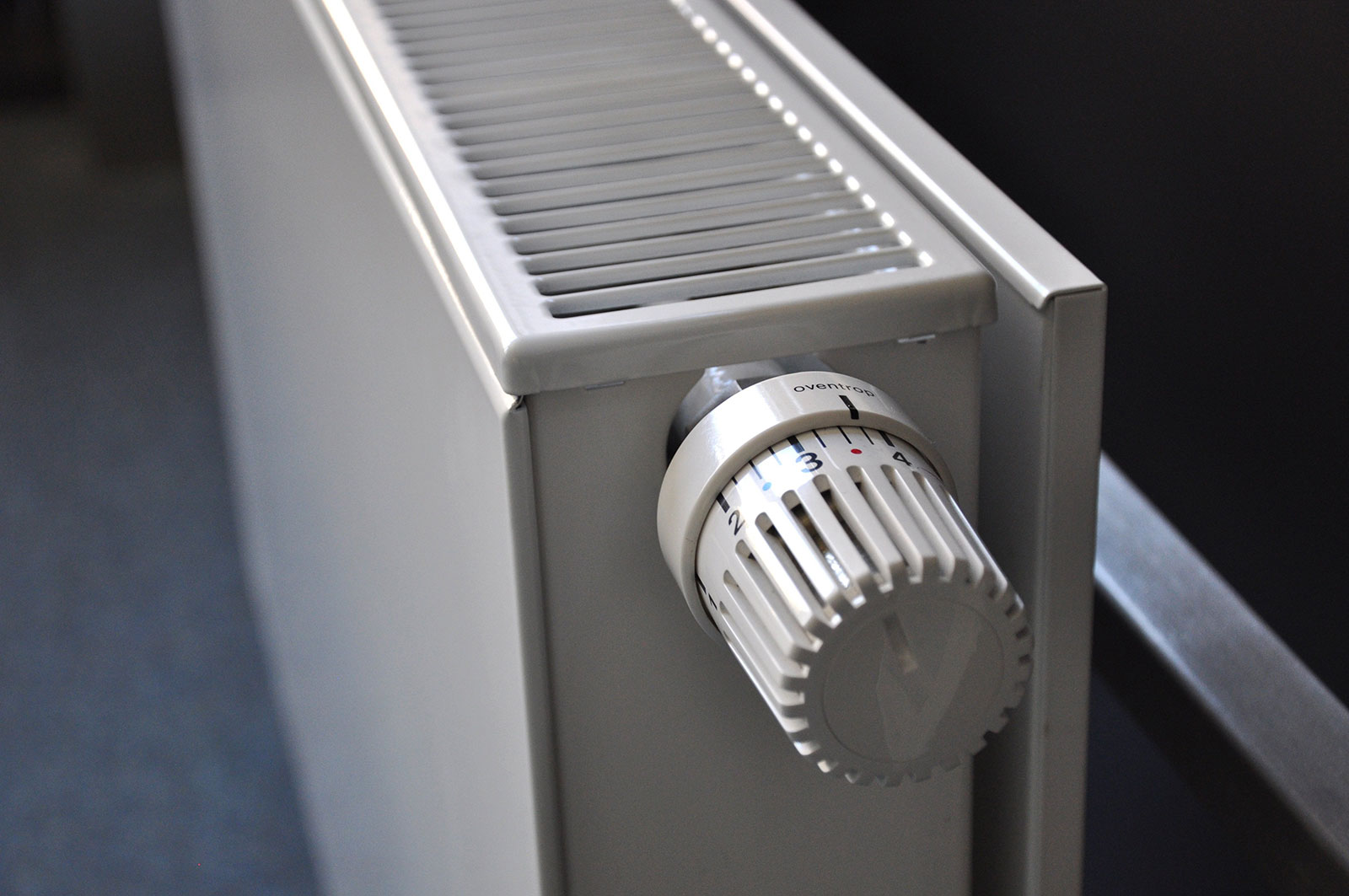
After a warm summer, you probably haven’t thought about your heating for months. But when the temperature starts to drop and you switch it back on, you might find your radiators are not heating up, the thermostat isn’t responsive or your heating system is making sounds that start to worry you.
It’s not uncommon! In fact, in the build up to winter, search data shows that heating-related issues increase 20%*. The good news is, if your heating isn’t working after summer, it doesn’t mean there’s a serious problem. Something as simple as a stuck thermostat valve or trapped air could be the cause.
So, before the first properly cold day arrives, here are some of the most common heating problems, the issues you can safely fix yourself and the signs it’s time to call in a professional.
Why do heating problems often appear after summer?
Heating problems can crop up after the summer since the system has been left switched off, or operated far less frequently for months. Mechanisms can tighten, boiler pressure can drop, and with no circulation, air becomes trapped inside radiators. Dust and debris can also build up around the vents, and with age, older heating systems may simply struggle to respond as effectively as they once did.
All these reasons are why it’s worth testing your heating works before you actually need it. Switching it on ahead of the first cold snap gives you time to spot a problem and arrange professional help if necessary, rather than discovering it when the house is getting chilly.
7 common heating problems after summer and how to fix them
-
The heating does not come on
If your heating isn’t working at all, don’t immediately assume the boiler or heating system has broken down.
Firstly, check to see if your thermostat is set above the current room temperature. If your home is already warmer than the temperature you’ve selected (especially if you’re doing these important checks during warm weather), the heating may have no need to come on.
Next, check your timer or heating programme. You may have changed the schedule during summer which means the expected schedule is off-track.
As a quick checklist, if the heating isn’t coming on it’s worth checking:
- Whether the thermostat is set high enough to call for heat?
- Is the time and programmed heating schedule correct?
- Has the system been left in a summer or hot-water-only mode?
- Has a recent power cut reset the timer?
- Does your wireless thermostat need new batteries?
- Is an error message showing on the heating controls or boiler?
Once you’ve done this and the heating still isn’t turning on, particularly if an error code or warning is showing, refer to the manufacturer’s instructions or contact a qualified heating engineer.
-
Radiators are not heating up
If your central heating comes on but one or more radiators stay cold, the problem is likely to be isolated to the radiator or the way hot water is circulating through the system.
Firstly, check the radiator valves by opening and closing them, and then setting them to a low number. A thermostatic radiator valve (TRV) may have been turned down during the summer, particularly in spare bedrooms or other rooms you don’t use regularly. If TRVs are left in the same position for several months, they can become stuck. So if adjusting the controls doesn’t make a difference, don’t force or dismantle the valve if you’re unsure.
The way the radiator feels can also indicate what’s happening inside it. Some areas of the radiator may feel cold, commonly known as ‘cold spots’. Depending on where they appear, the problem could be:
- Trapped air
- Sludge or debris
- A stuck or closed valve
- Low system pressure
- Poor balancing between radiators
If more than one radiator isn’t heating up, the problem could be affecting the wider central heating system and may require further investigation.
-
Radiators are cold at the top
A water-filled radiator that’s warm at the bottom but cold at the top is usually caused by trapped air, causing ‘cold spots’.
When hot water isn’t circulating regularly throughout the entire radiator, air can collect near the top and prevent that section from heating up properly. Bleeding the radiator releases the trapped air, enabling water to circulate more effectively. In comparison, electric radiators don’t contain water and therefore don’t require bleeding.
If you’re confident bleeding a radiator yourself, make sure the heating is switched off and the radiator has cooled before starting. Use the appropriate radiator key and follow the manufacturer’s instructions for your heating system. Don’t forget that bleeding radiators can affect the boiler pressure, so check it afterwards against the recommended range in your boiler manual.
If you end up having to bleed the same radiator and the problem doesn’t get resolved, if in doubt contact a qualified heating professional.
-
Some rooms heat up, but others stay cold
You may have found your heating is technically working in some rooms. For example, the living room might feel cosy while a bedroom upstairs feels cold.
In this case, a wet central heating system may need balancing so hot water is distributed between the radiators. Individual valves may be incorrectly set, or there could be trapped air, sludge or another circulation issue.
However, with some rooms feeling cold, this could come down to how well the space is insulated. An extension with large areas of glazing or a room with several external walls may lose heat faster than another part of the house. In this case, the heating system may be working, but how easily the room loses heat means it takes longer to reach a comfortable temperature.
When rooms struggle to warm up, this is where room-by-room heating control can be useful. A spare bedroom, study or dining room might only be used at certain times of the day, so heating these rooms only when they’re needed can help avoid wasting energy to warm an empty space.
-
The boiler pressure has dropped
If you have a wet central heating system, low boiler pressure can prevent the system from working properly and could be causing your radiators to heat up unevenly.
On the front of your boiler, there should be a pressure gauge or digital pressure reading. Per model, the recommended pressure varies by system, so check the manufacturer’s instructions first. If the pressure is lower than suggested, check the boiler manual for the appropriate next step.
More importantly, pay close attention to see whether the pressure keeps dropping while the boiler is running. Persistent pressure loss can indicate an underlying fault or leak that needs a professional check, rather than repeatedly topping the system up.
If you’re unsure about the pressure reading or how to respond to it, contact a qualified heating engineer. Any work involving a gas appliance itself should be carried out by an appropriately qualified Gas Safe registered engineer.
-
The heating makes strange noises
If your heating system is making odd noises you don’t usually hear, this is something definitely worth checking.
Sounds like a gurgling noise can be caused by trapped air, while banging, knocking or whistling noises could be caused by a few issues, including circulation, pressure or debris within a wet central heating system.
If your heating system is making unusual sounds, please don’t try to diagnose a potentially serious heating fault just from the sound alone. If you’ve already carried out checks for trapped air and continue to hear a noise, the safest next step is to call a professional.
-
Your home heats up slowly or feels uneven
If you’ve done all the checks but your house is still taking a long time to warm up, this can be a bit trickier to resolve independently.
Because the heating system is technically doing its job, the problem could instead be caused by how effectively the heat is being generated, controlled and retained inside your home. For example, some rooms may lose heat faster through poorly insulated areas like windows, doors, and the walls. Also, if your property needs modernising, the radiator could simply not be big enough to heat the required space.
Before thinking you need an entire new heating system, take a look at your home heating set up to see what’s really going on:
- Which rooms take the longest to feel warm?
- Are some rooms becoming too warm while others are cold?
- Does the heating respond quickly when you change the thermostat?
- Can you change the temperature in individual rooms?
- Are you heating spaces nobody is using?
- Could insulation or draughts be contributing to heat loss?
Compared to wet central heating systems, modern electric heating provides individual room controls, so you can set the heating schedule around how your home is actually used.
Fischer electric radiators, for example, are built with individual wireless thermostatic controls alongside a 40mm HeatCore designed to retain and radiate heat. Because the radiators operate independently, you can set different heating schedules for every room rather than warming the entire house.
Autumn heating checklist
We’ve created a heating checklist so you can assess your system for potential heating problems, before temperatures really start to drop:
- Check your thermostat, timer and heating programme
- Make sure radiator valves are open where appropriate
- Feel radiators for obvious cold spots or uneven heating
- Bleed water-filled radiators if there’s trapped air inside
- Check the boiler pressure against the manufacturer’s guidance
- Clear large furniture and clutter from heat sources
- Give radiators a clean to remove accumulated dust and debris
- Look for leaks, rust, corrosion or deterioration
- Listen out for unusual noises
A simple task like cleaning your radiators is particularly easy to overlook. Over the warmer months, dust and pet hair can accumulate so cleaning around the radiator and between accessible areas can help keep airflow clear when you begin using the heating regularly again. Always switch the heating off and allow radiators to cool before cleaning them.
When should you get professional help with your heating?
When you’re checking your home’s heating system, your safety is always the first priority. While there are some issues you can resolve without needing a professional, knowing when to stop fixing a potentially serious problem is just as important.
If in doubt, arrange for an engineer to check your heating system if you notice:
- You have no heating or hot water after completing the basic checks
- The boiler pressure keeps dropping
- Water is leaking from radiators, valves, pipework or the boiler
- A burning or unusual electrical smell
- Persistent boiler error codes
- Significant rust or corrosion
- Persistent banging, knocking or other unusual noises
- Any situation where you’re unsure whether the system is safe
Never dismantle a gas boiler or attempt repairs to a gas appliance yourself. Gas boiler repairs and servicing should be carried out by a suitably qualified Gas Safe registered engineer. Similarly, electrical faults should be assessed by an appropriately qualified professional rather than treated as a DIY heating repair.
Do you need a new heating system?
A radiator needing to be bled after summer doesn’t mean you need an entirely new heating system. But if you’re finding you’re hitting the same problems every winter, it may be worth reviewing whether your heating setup is still suitable for your household.
This is where modern electric heating could help. It provides a different approach to warming your home, because each electric radiator can operate independently rather than relying on a network of water-filled pipes and one central boiler to distribute heat around the property.
Moving to electric heating can eliminate some of the wet-system issues discussed, including bleeding radiators and cold spots. However, the efficiency of installing an electric heating system comes down to your property type, how it loses heat, your lifestyle and your existing heating setup. If you’re unsure, book a free home heating survey to help evaluate what your property actually needs.
Get your heating ready before winter arrives
Realising your heating isn’t working when the temperature has already dropped is the last thing you need. Checking your system early, checking the controls and once switched on, observing how each radiator responds can help you spot smaller, fixable problems before winter.
For electric heating alternatives, request a free catalogue and browse Fischer’s range of electric heating solutions to find out more.
Heating Not Working After Summer FAQs
Why is my heating not working after summer?
If your heating isn’t working after summer, start by checking the thermostat, timer and heating schedule. Your system may still be set to a summer or hot-water-only mode, while your thermostat batteries may need replacing. Other possible causes include low boiler pressure, trapped air, stuck radiator valves or a fault that has become apparent after several months of limited use.
Why are my radiators not heating up?
Radiators not heating up can be caused by closed or stuck valves, trapped air, sludge or debris, low boiler pressure or an incorrectly balanced wet central heating system. A radiator that’s cold at the top is usually caused by trapped air, whereas a radiator that’s cold at the bottom may indicate sludge or poor circulation.
Should I bleed my radiators after summer?
You don’t need to bleed every radiator after the summer. However, if a water-filled radiator is cold at the top and warm lower down, trapped air could be preventing hot water from circulating and bleeding your radiators could resolve this.
Why is my heating working but some radiators are cold?
If the central heating is working but some radiators stay cold, check whether their valves have been turned down or become stuck. Other issues include trapped air, sludge, low system pressure or poor balancing. If the radiator itself heats up but the room still feels cold, the room could be losing heat faster than other rooms.
When should I turn my heating back on after summer?
There’s no precise date when everyone needs to turn their heating back on. That’s why it’s smart to test your heating system before temperatures drop below 10c. Doing so gives you a chance to check the controls, radiators and overall system is in good working order.
*Data compares search volume increases from September vs November via SE Ranking