
As the UK moves closer to its 2050 Net Zero target, many homeowners are re-evaluating their traditional gas heating systems. With the government’s boiler upgrade scheme offering helpful incentives for homeowners to install low-carbon heating solutions, there are two options most enquired by our customers: air source heat pumps and electric heating systems.
Both electric solutions offer cleaner alternatives to gas, but they work very differently. We understand that making the switch to a gas-alternative heating solution takes your time and investment. So to ensure you’re making the right decision, we’ve uncovered the differences between heat pumps and electric heating, helping you find the best solution to heat reassuringly your home.
What is an air source heat pump?
An air source heat pump is a low-carbon heating system which extracts heat from the air outside, compresses it and then transfers it around your home for heating and hot water. Air source heat pumps are installed outdoors and can be connected to your home’s gas or electric heating system.
They are widely promoted and increasingly becoming popular because of their efficiency, low carbon footprint and the government’s scheme. Homeowners can receive £7,500 towards the cost, making them an important gas-alternative system to help property owners transition to a carbon-free home.

How do air source heat pumps work?
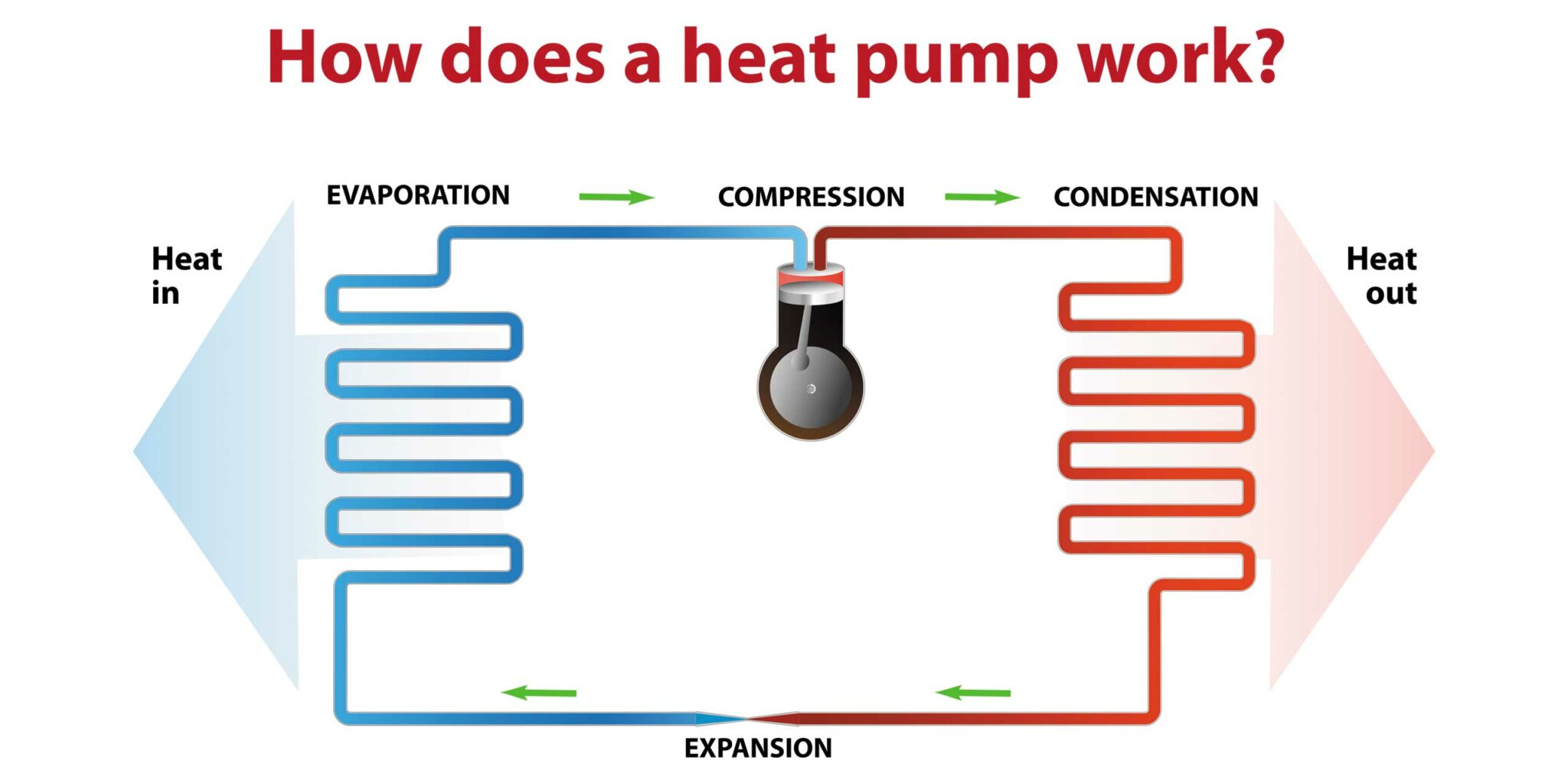
How does an air source heat pump work? Similar to the technology in your fridge, but in reverse, air source heat pumps work by using a refrigeration cycle to move heat from the air outside into your home. Even in colder temperatures, there is heat energy in the outside air. The pump extracts this heat, compressing it using a special liquid refrigerant, which is then transferred to your boiler, radiators, or underfloor heating.
What are electric radiators?
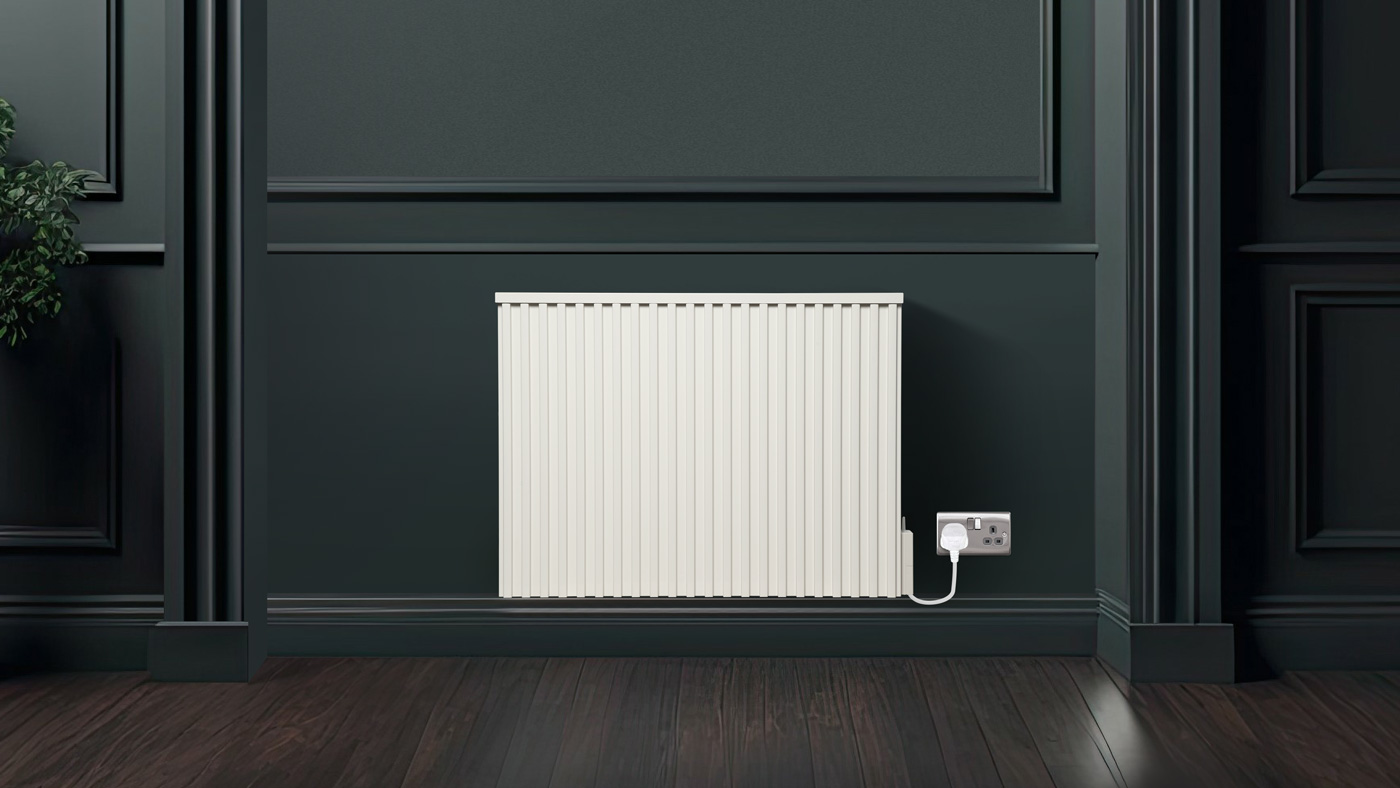
Electric radiators are standalone, electric-powered heaters that warm individual rooms precisely. They provide responsive, controllable (a purposeful on/off function) and comfortable heat without relying solely on a gas-powered central heating system or plumbing.
How do electric radiators work?
Electric radiators convert electricity directly into heat. Fischer radiators, for example, use a unique 40mm HeatCore that retains heat and releases it gradually, ensuring even, sustained warmth in every room.Using smart wireless thermostats, electric radiators can be controlled room-by-room, providing customisable warmth, depending on your households preferences. This is great if you are living with more vulnerable members, such as the elderly or children. Because each radiator works independently, homeowners can easily tailor the flow of heating to their lifestyle, whether you need heat for just a couple of rooms or overtime to heat the entire property.
What’s the difference between electric heating and air source heat pumps?
While both electric radiators and air source heat pumps are electric-powered and completely carbon-free, there are key differences between each solution which will influence how suitable they’re for your property:
Space for installation
Both electric heating solutions require a certain amount of space to be installed. Air source heat pumps must be installed outside, requiring adequate space on your land/garden, whereas electric heating is quick to install, with few if not any space requirements. Available in a range of sizes and styles, like the Fischer Classic, Fischer Luxe, and Fischer Tide, electric heaters don’t require any pipework or plumbing.
Heat output
Heat pumps typically provide homes with lower temperatures, meaning they work best in well-insulated homes, or those with underfloor heating installed as an additional direct source of warmth.
Electric radiators, however, deliver high, consistent heat output quickly, which is ideal for older or mixed-construction homes as they tend to be poorly insulated. As the only electric radiators with 40mm of HeatCore technology installed, Fischer Future Heat radiators stop heat from escaping through the back wall, providing targeted heat in each room to keep you warm and cosy.
Varying levels of maintenance required
In short, air source heat pumps require annual servicing. For peace of mind, we’d also recommended the same for electric heating products, like electric boilers. However, since electric heaters comprise of minimal components, unlike gas boilers and traditional radiators, electric radiators require minimal maintenance. Over time, dust and debris naturally accumulate, so it’s best to keep your electric heating system clean for optimum efficiency.
What properties suit an air source heat pump vs. electric heating?
There’s never a ‘one size fits all’ solution to heating your home, but to help you weigh this up, we explain the differences between air source heat pumps vs electric heaters, and what type is most suited for your home.
Air source heat pumps are suitable for:
- New build home with excellent insulation
- Homes undergoing a major renovation and are making the switch to all electric heating solutions
- Properties with adequate space for outdoor units (if this isn’t available, consider installing an electric boiler)
- Households with consistent, whole-home heating patterns
In comparison, electric radiators are best for:
- Older homes or flats where insulation may be poorer and therefore requires direct heating in each room
- Homes where installation disruption needs to be seamless and minimal
- Properties without suitable space for an outdoor heat pump
- Households wanting flexible, room-room heating control, maximising the use of electric wireless thermostats
However, if you’re torn between both systems, look into hybrid electric heating setups for a gradual transition to becoming a carbon-free household.
Here you have the added benefit of combining both types of systems, like connecting an air source heat pump to a gas boiler. In this case, the heat pump provides up to 90% of winter heating efficiently and reliably, then the gas boiler can manage up to 10% of a home’s heating, if you require further heat on colder winter days.
Combining electric heating solutions is a way forward
Both heat pumps and electric radiators offer cleaner alternatives to gas, but they fit different types of homes. Heat pumps work best in well-insulated, modern properties and can be efficient when properly installed. Whereas electric radiators provide a flexible and maintenance-free option suited to a wide range of properties, especially older or smaller kinds.
With the way the UK is heading, for many households electric heating provides a practical, energy-efficient and future-proof option to achieve low-carbon comfort. If you’d like one of our expert team to discuss transitioning to electric products, please book a free survey.